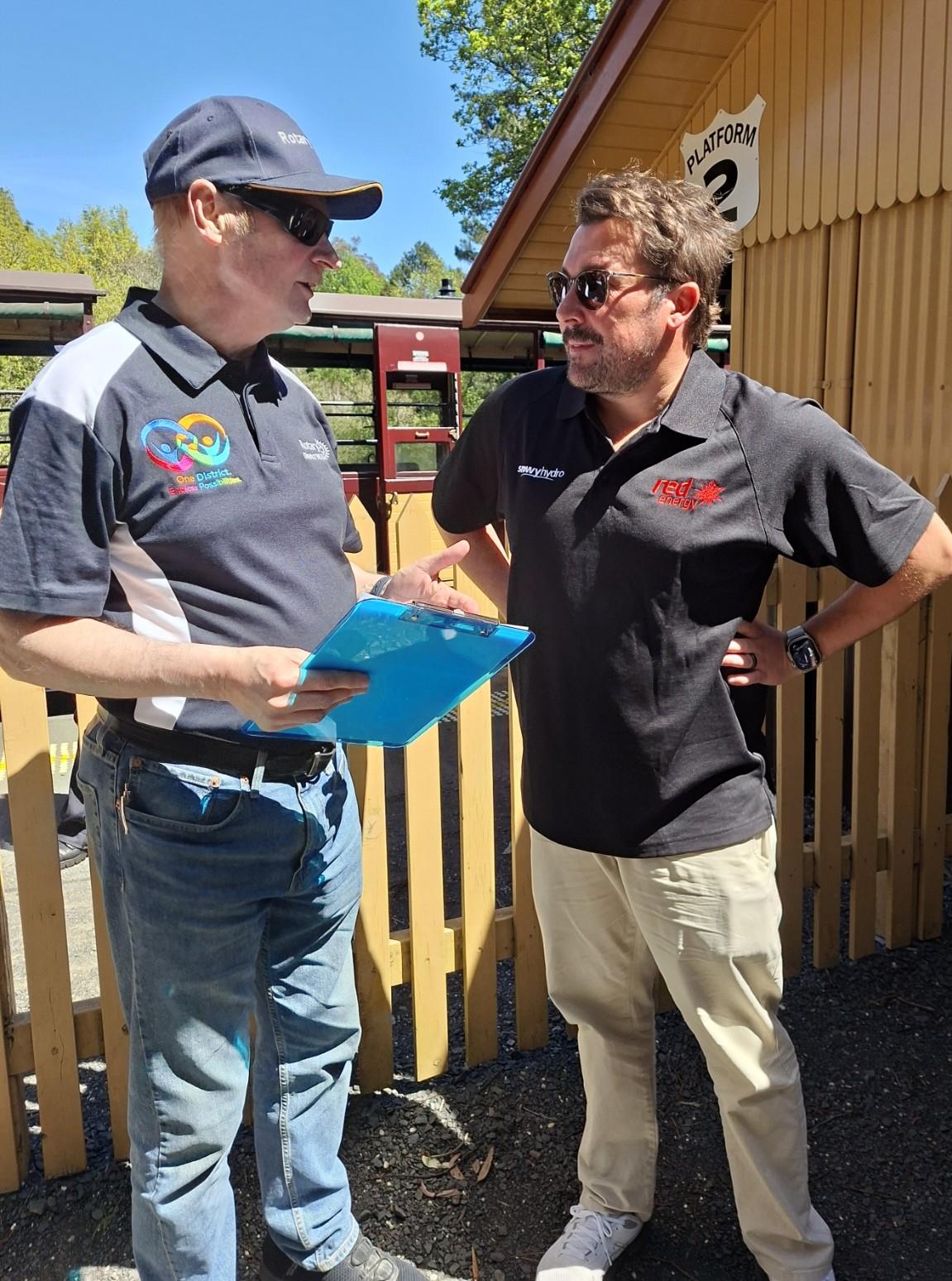
Greg with experience in meteorology and weather modelling, delivered a presentation on El Niño, climate patterns, and weather forecasting.
Main topics
El Niño–Southern Oscillation (ENSO)
Greg explained the three main ENSO phases: neutral conditions, El Niño, and La Niña. He discussed the role of Pacific Ocean temperatures, including the Niño 3.4 region, in influencing global weather patterns.
Potential Australian impacts
The presentation explored the possibility that a strong El Niño could contribute to below-average rainfall and drier conditions in parts of Australia, including Victoria. The implications for water availability and catchments were also discussed.
Climate modelling and forecasting
Greg outlined the challenges involved in predicting weather and climate, including differences between global and regional models, model resolution, atmospheric physics, and the potential role of artificial intelligence in improving forecasting.
Ocean currents and broader climate influences
The presentation also touched on ocean currents, including the Humboldt and Gulf Stream currents, regional climate differences, and the ozone hole as an example of a major environmental issue.
Questions and discussion
Members raised questions about:
- The expected duration of El Niño conditions.
- Whether El Niño necessarily means a colder or wetter Australian winter.
- The limits of long-range weather forecasting and the complexity of Melbourne’s weather.
- Potential relationships between ENSO and tropical storms.
- The role of climate variability and modelling in anticipating future conditions.
Greg emphasised the complexity of weather systems and the limitations of making definitive regional predictions far in advance.
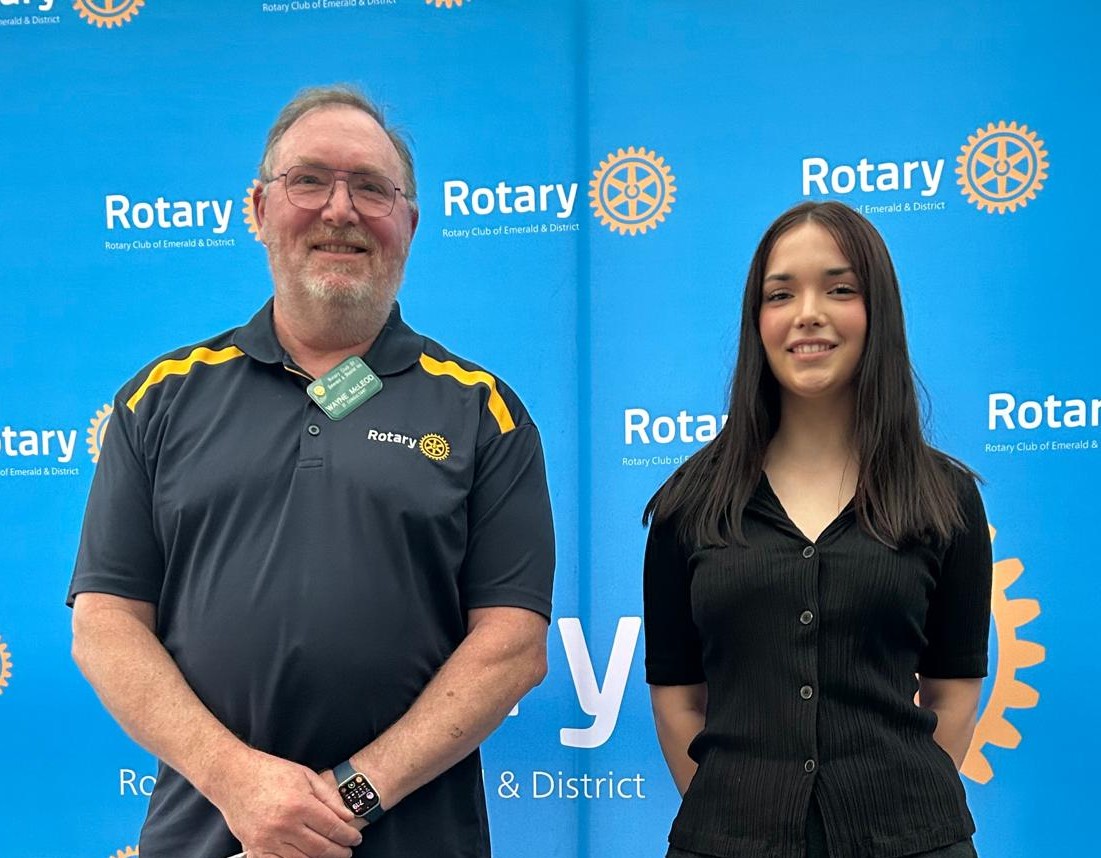
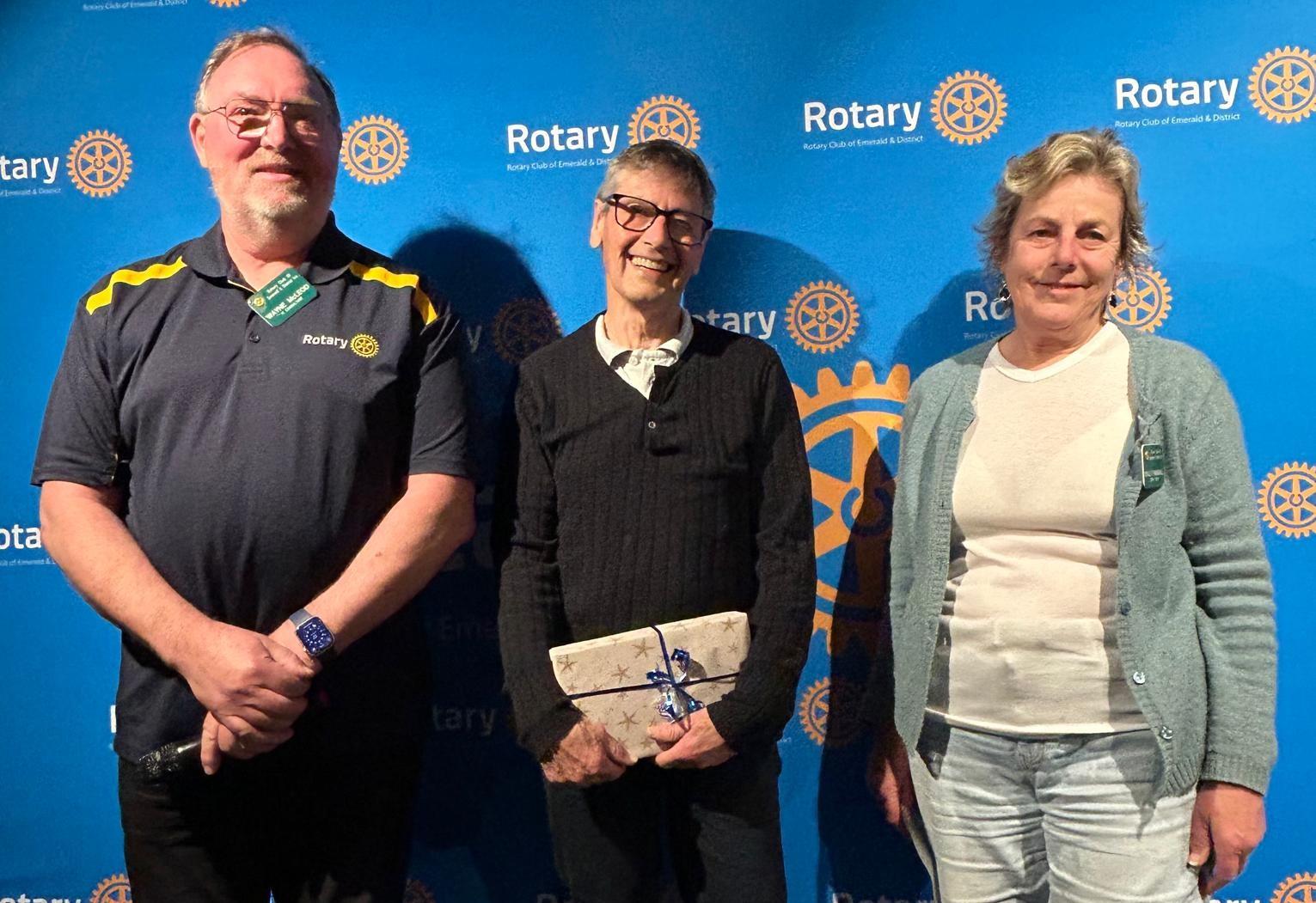
Wayne McLeod, Greg Roff & Sally Randall
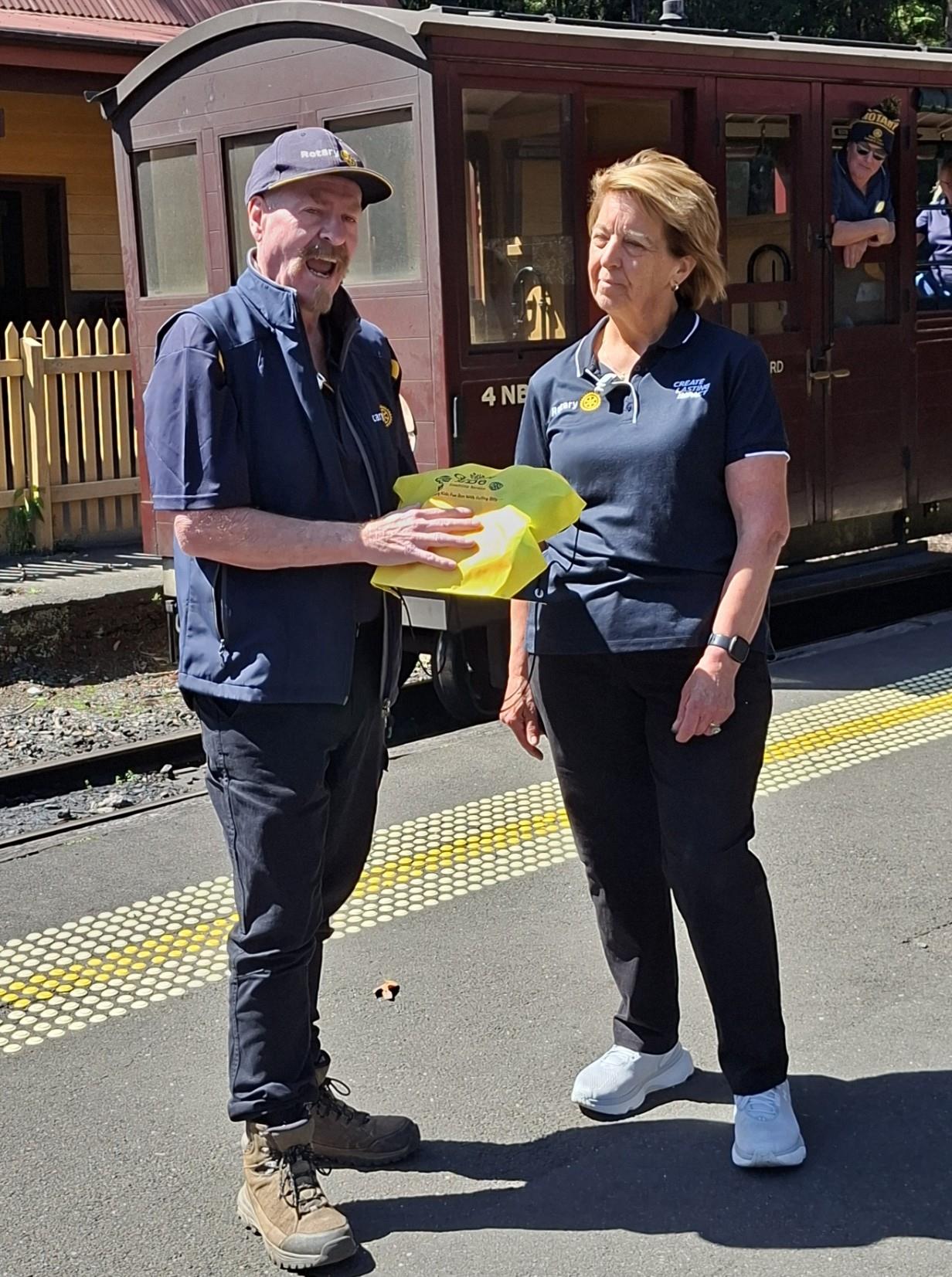
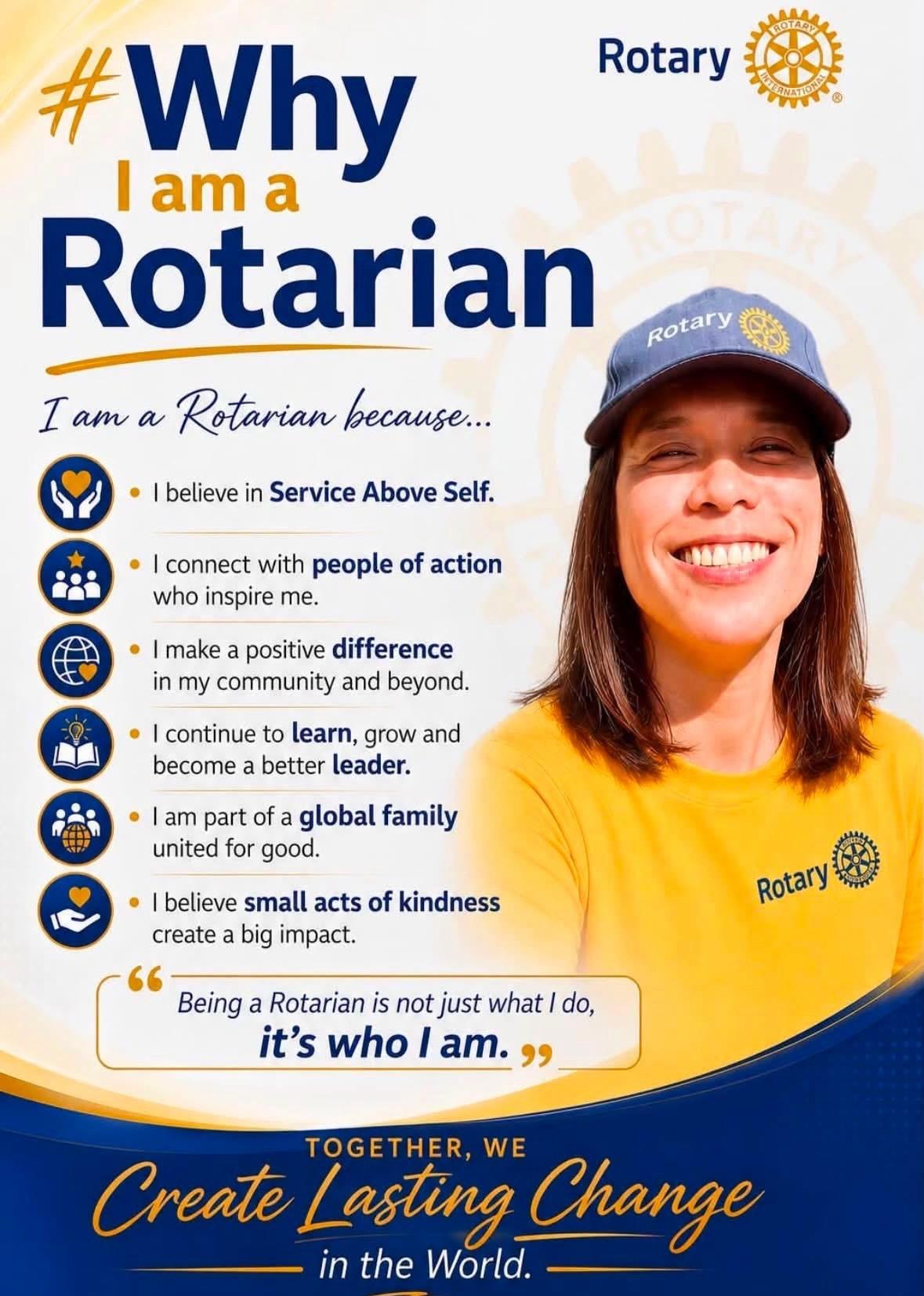
On behalf of the Rotary Club, Greg was presented with a gift featuring the Rotary motto, “Create Lasting Impact.” The club also noted that a donation would be made to Safe Families, the District Governor’s charity.